Understand the condition
We ask for full views, close-ups and photographs of the fixing. Share the metal, artist, age and earlier interventions if known. Significant heritage work may call for consultation with a qualified conservator.
De Gietkamer · Soest · Bespoke metalwork
A loose limb, damaged base or missing detail calls for care for the original work. Send photographs of the object and damage. We assess whether repair, a replacement part or another approach may be appropriate before any work begins.
Send photos of the damageTell us the material if known. You can send photos even if you are unsure.
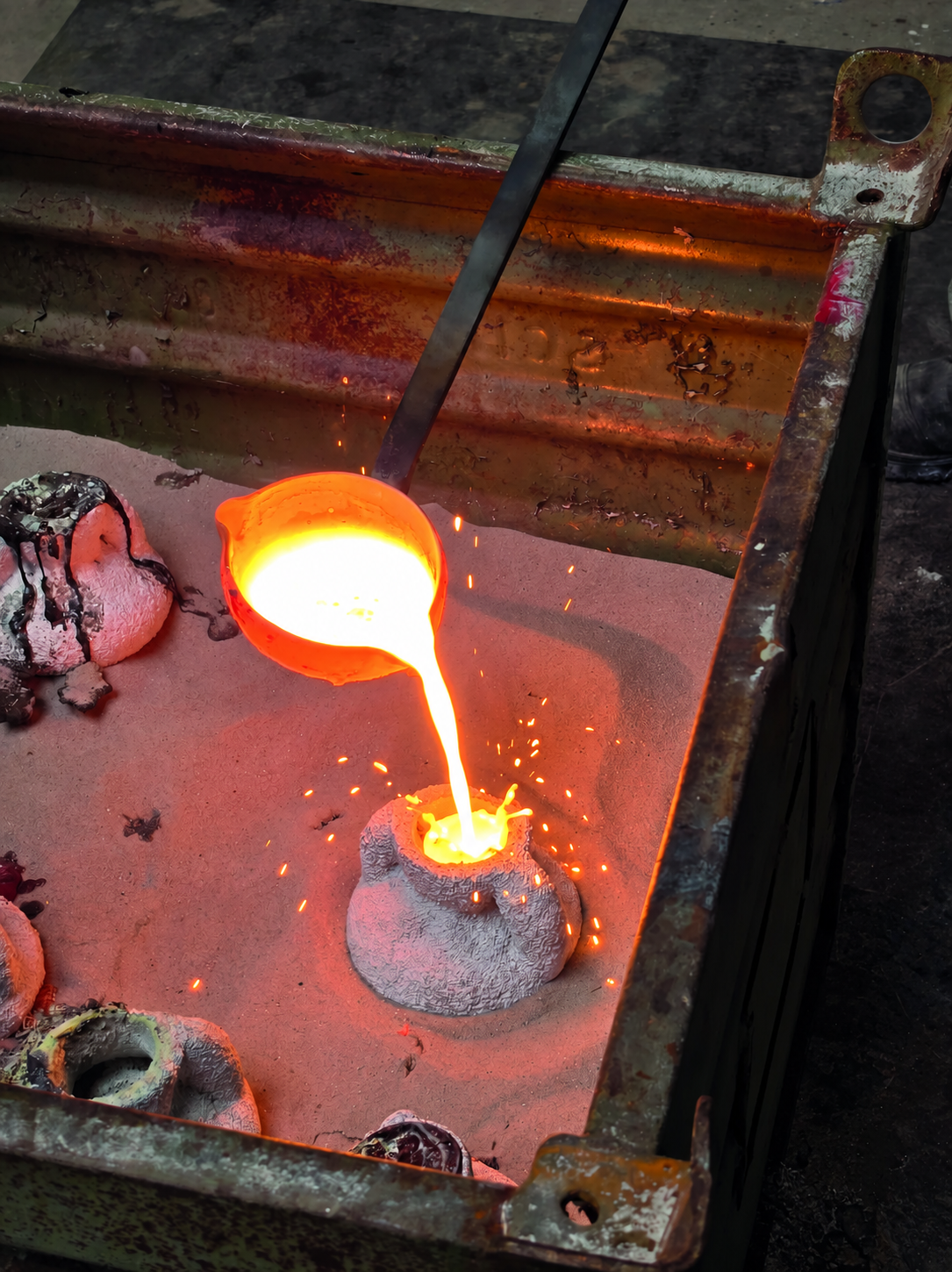
From our workshop
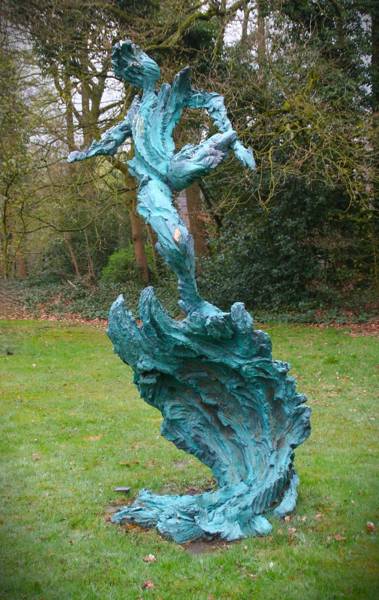
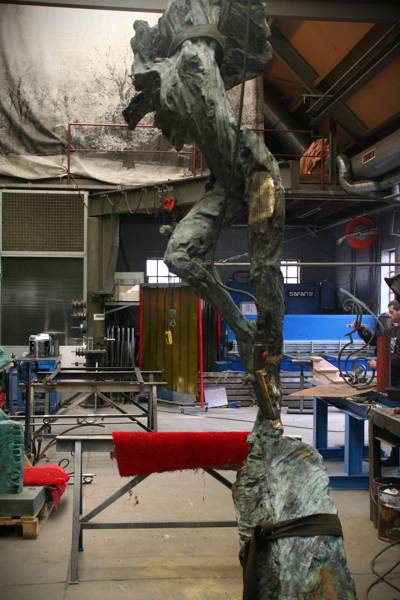
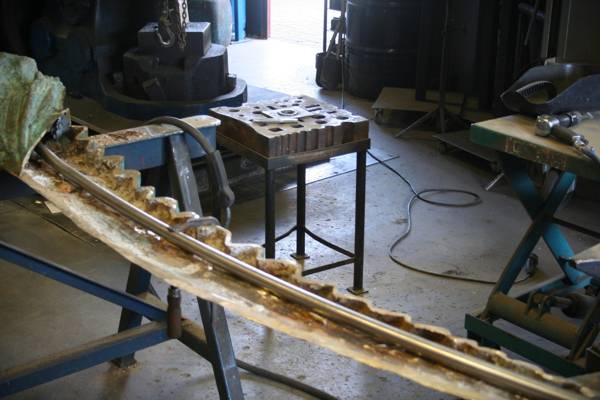
A restoration project by Smederij Tupker, the family business behind De Gietkamer. Our own project photographs show the sculpture on location and workshop views during the restoration project.
We ask for full views, close-ups and photographs of the fixing. Share the metal, artist, age and earlier interventions if known. Significant heritage work may call for consultation with a qualified conservator.
The issue may be a joint, missing shape or damaged surface. Metal, structure, existing patina and reproduction rights shape the appropriate method. A photograph cannot provide a final diagnosis.
After the first assessment, we explain what further information or inspection is needed. We then discuss an approach, finish, transport and costs, or recommend another specialist when appropriate.
Keep loose fragments and photograph them beside the sculpture. Avoid grinding away a break or old adhesive joint before assessment. Explain when the damage occurred, whether the sculpture is stable and which previous repairs are known. This helps us discuss repairing the connection, replacing a detail and preserving the original surface as separate decisions.
De Gietkamer
That depends on the material, fracture, load and earlier repairs. Send photographs of the whole sculpture and break so we can assess the options.
Yes, you can also submit a small metal sculpture for assessment. We discuss a suitable approach and the likely cost before you decide.
That depends on the damage, material, work required and finish. We cannot give a fixed price without an assessment. You receive a proposal before any work begins.
Sometimes a new part can be made to fit. A loose fragment, older photographs or a model may help. We assess the shape, fixing and any reproduction rights for each object.
We assess the existing surface and discuss realistic visual outcomes. An invisible repair or identical patina cannot be promised from photographs.
Start with photographs, size, weight and location. We will then decide whether a physical inspection is needed.
Mention that in your enquiry and send photographs. We focus on metal sculptures, including bronze, but the material cannot always be identified reliably from an image and further examination may be needed.
Heritage objects and valuable artworks may require coordination with a qualified conservation specialist. We discuss the expertise and approach the object needs before proceeding.
Keep it and send photographs of the fragment and break. We first discuss whether workshop examination is needed and how the object can be brought or sent to us.
Yes. Send photographs and any known details of adhesives, joints or previous treatments. The metal’s condition and the earlier intervention determine the options.
Send whatever you already have: a photograph, sketch, drawing, model or file. Dimensions, quantity, intended use and finish help us assess the production route. If anything is missing, we will ask you directly.
Explore other work
A broken part, loose base or missing detail: let us assess the possibilities for repair. Small metal sculptures are welcome for assessment too. Tell us the material if known. You can send photos even if you are unsure.